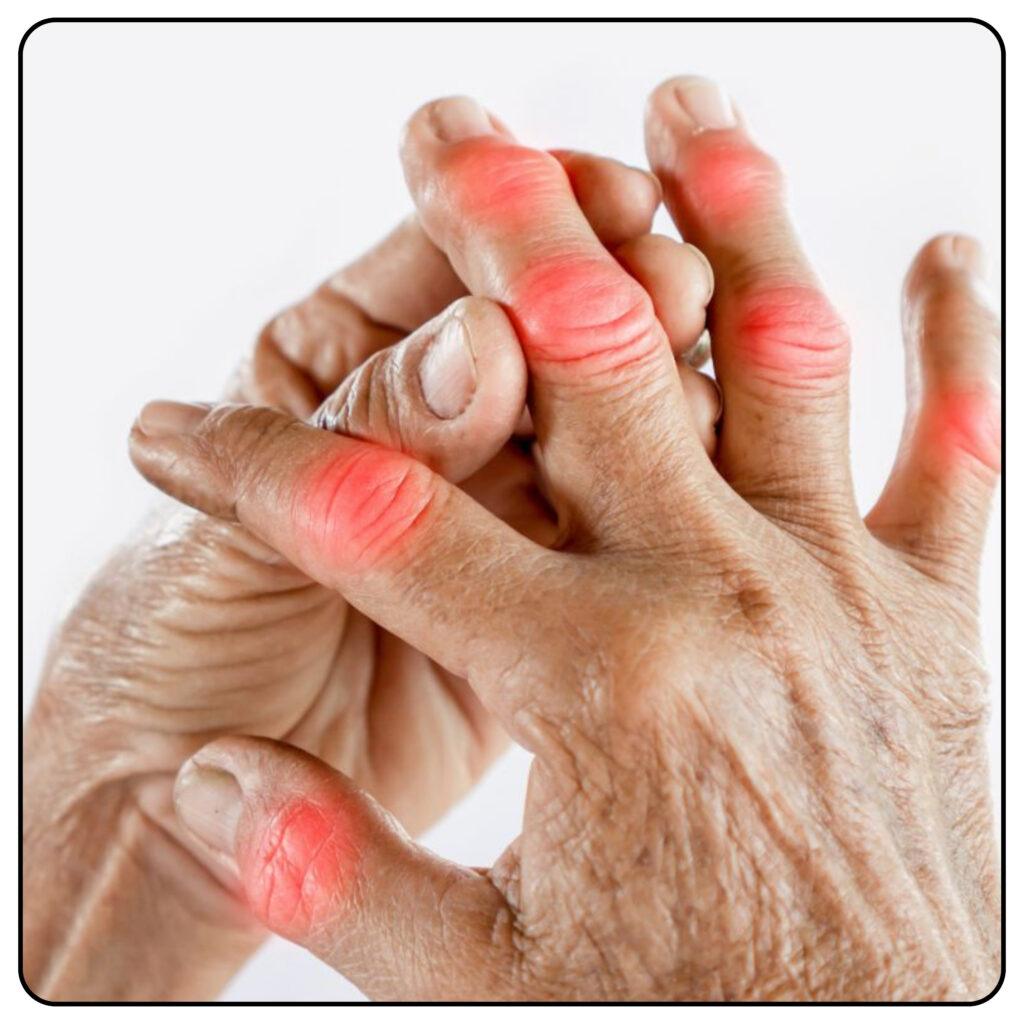
Arthritis, a condition characterized by inflammation in the joints, is becoming increasingly prevalent worldwide. It affects millions of people, particularly in older age groups, causing pain, stiffness, swelling, and a range of debilitating symptoms. Conventional medical treatments, though effective for managing pain and inflammation, often come with side effects. Ayurveda, the ancient healing system of India, offers a holistic approach to managing and potentially reversing arthritis symptoms by addressing the root causes of the condition rather than just alleviating symptoms.
dr.prakash trivedi In this blog, we will explore the Ayurvedic perspective on arthritis, the causes and types of arthritis according to Ayurveda, and some of the natural remedies that can help you manage arthritis in a holistic and sustainable way.

Understanding Arthritis in Ayurveda
Arthritis, as understood in modern medicine, refers to a group of conditions that cause inflammation in the joints. The two most common forms are osteoarthritis (OA), which is degenerative, and rheumatoid arthritis (RA), which is an autoimmune disease.
 
In Ayurveda, arthritis is classified under a broader category of disorders known as Vata disorders. Vata is one of the three doshas (biological energies) in Ayurvedic medicine, and it is primarily responsible for movement in the body, including the flow of air, nerve impulses, and the movement of joints. When there is an imbalance in Vata, it leads to various issues such as dryness, stiffness, and pain in the joints, which are characteristic symptoms of arthritis.
 
The Role of Doshas in Arthritis
According to Ayurveda, each person has a unique constitution or prakriti made up of the three doshas—Vata, Pitta, and Kapha. Each dosha has specific qualities, and when they are in balance, the body remains healthy. However, an imbalance in these doshas can lead to disease.
 
Vata Dosha is dry, cold, light, and mobile. When Vata is aggravated, it can cause the joints to become dry, stiff, and painful, leading to conditions like arthritis.
Pitta Dosha is hot, sharp, and intense. Excessive Pitta can lead to inflammation and pain in the joints, especially in conditions like rheumatoid arthritis (RA), which is characterized by heat, redness, and swelling.
Kapha Dosha is heavy, moist, and stable. When Kapha is aggravated, it can lead to the accumulation of excess fluid in the joints, causing swelling and stiffness, which may be seen in certain forms of arthritis.
In Ayurveda, arthritis can be the result of an imbalance in one or more of the doshas. The root cause of arthritis lies in a disruption in the body’s internal environment, often triggered by poor lifestyle choices, improper diet, stress, or environmental factors.
 
Types of Arthritis in Ayurveda
In Ayurveda, arthritis can manifest in various forms, depending on the imbalance in the doshas:
 
Vata-type Arthritis (Vata Roga):
 
This is the most common form of arthritis in Ayurveda, linked with an excess of Vata dosha. It leads to pain, dryness, stiffness, and inflammation in the joints. It is typically observed in osteoarthritis, where the joint cartilage is damaged over time, causing the bones to rub against each other.
Pitta-type Arthritis (Amsavata):
 
Pitta-type arthritis is caused by an excess of Pitta dosha. This condition is characterized by redness, swelling, and warmth in the joints, often leading to severe pain. It is more commonly associated with rheumatoid arthritis, an autoimmune condition where the immune system attacks the joints.
Kapha-type Arthritis (Shotha):
 
When Kapha dosha is imbalanced, it leads to fluid accumulation in the joints, causing swelling, stiffness, and a sensation of heaviness. It can be seen in certain forms of arthritis where the joints are inflamed but without the intense pain typical of Vata or Pitta imbalances.
Causes of Arthritis According to Ayurveda
Ayurvedic texts mention several factors that contribute to the development of arthritis. These include:
 
Diet and Lifestyle:
 
An improper diet (e.g., excessive consumption of processed foods, oily, cold, and heavy foods) and an unhealthy lifestyle (lack of physical activity, sedentary habits) can lead to the accumulation of toxins (ama) in the body. These toxins are believed to cause the inflammation and pain characteristic of arthritis.
Aging:
 
As people age, the natural balance of the doshas changes, particularly Vata, which tends to increase. This can lead to degenerative conditions like osteoarthritis, as the joints become stiffer and less lubricated.
Environmental Factors:
 
Cold, damp, and windy climates can aggravate Vata, leading to joint pain and stiffness. Ayurveda also warns against excessive exposure to harsh conditions, as it can disrupt the dosha balance.
Genetics and Family History:
 
A family history of arthritis may predispose individuals to develop similar conditions. In Ayurveda, genetic tendencies are considered part of a person’s prakriti and can influence the likelihood of developing arthritis.
Emotional Stress:
 
Emotional factors such as stress, anxiety, and unresolved emotional issues can cause an imbalance in Vata. Over time, this can lead to physical manifestations, including joint pain and inflammation.
Ayurvedic Treatment for Arthritis
The goal of Ayurvedic treatment is to restore balance to the doshas and eliminate the root causes of the disease. This is achieved through a combination of diet, lifestyle changes, herbal remedies, and therapeutic treatments. Here are some key Ayurvedic approaches to managing arthritis:
 
 
    1. Panchakarma (Detoxification)
      Panchakarma is a set of detoxification and rejuvenation therapies in Ayurveda that help remove accumulated toxins (ama) from the body and balance the doshas. Panchakarma treatments may include:
 
 
Abhyanga: A warm oil massage that helps to reduce Vata and alleviate stiffness in the joints.
Swedana: Herbal steam therapy that promotes sweating and helps in the elimination of toxins.
Virechana: Therapeutic purgation to cleanse the body of excess Pitta and toxins.
Basti: Enemas with herbal oils or decoctions to cleanse the intestines and balance Vata.
 
 
    1. Herbal Remedies for Arthritis
      Ayurveda uses a wide variety of herbs to treat arthritis and its symptoms. Some commonly used herbs include:
 
 
Ashwagandha (Withania somnifera): Known for its anti-inflammatory and analgesic properties, Ashwagandha helps in reducing joint pain and stiffness.
Turmeric (Curcuma longa): Contains curcumin, a powerful anti-inflammatory compound that helps reduce inflammation and swelling in the joints.
Ginger (Zingiber officinale): Ginger is known to have anti-inflammatory effects and can be used as a natural remedy for arthritis pain.
Boswellia (Boswellia serrata): Boswellia, also known as Indian frankincense, has potent anti-inflammatory effects and is often used to treat conditions like osteoarthritis and rheumatoid arthritis.
Triphala: A combination of three fruits (Amla, Haritaki, and Bibhitaki) that help in detoxifying the body, improving digestion, and reducing inflammation.
 
 
    1. Ayurvedic Oils
      Ayurvedic oils are often used for external application to reduce joint pain and inflammation. These oils are usually infused with herbs like turmeric, ginger, or camphor, known for their anti-inflammatory properties. Some common oils include:
      Mahanarayan Oil: A traditional Ayurvedic oil used to relieve pain and stiffness in the joints.
      Eucalyptus Oil: Known for its cooling and anti-inflammatory effects, it is often used in massage oils for arthritis.
 
    1. Dietary Changes
      An important aspect of Ayurvedic treatment for arthritis is diet. Ayurveda recommends foods that balance the doshas, reduce inflammation, and promote healing. Some dietary guidelines include:
 
    1. Avoid cold and heavy foods: Cold, dry, and heavy foods aggravate Vata and increase joint stiffness. Avoid dairy, processed foods, and excessive salt.
 
    1. Include anti-inflammatory foods: Foods like turmeric, ginger, garlic, and leafy greens can help reduce inflammation. Incorporate these into your daily diet.
 
    1. Eat warm, light meals: Foods that are easy to digest and warm in nature, such as soups, stews, and porridges, are beneficial for arthritis patients.
 
    1. Lifestyle Modifications
      Exercise: Regular, gentle exercise such as yoga, swimming, or walking can help keep the joints mobile and reduce pain.
      Stress management: Meditation, breathing exercises, and mindfulness practices can help reduce stress and bring balance to Vata dosha.
      Adequate rest: Ensuring enough rest, especially for the affected joints, is crucial to allow the body to heal.
      Conclusion
      Arthritis can be a challenging condition to live with, but Ayurveda offers a natural, holistic approach to managing and potentially reversing the symptoms. By focusing on balancing the doshas, detoxifying the body, using herbal remedies, and making lifestyle adjustments, Ayurveda provides a comprehensive framework for improving joint health and reducing inflammation.
 
  1. If you are considering Ayurvedic treatment for arthritis, it’s essential to consult with a qualified Ayurvedic practitioner who can tailor a personalized plan based on your unique dosha constitution and the specific type of arthritis you are experiencing. With dedication and the right approach, Ayurveda can help you lead a pain-free, active life.
  • All
  • Ayurveda
  • Ayurvedic courses
    •   Back
    • Treatments
    • Panchkarma Treatment
    • Cure Disease
How Arogyadham Promotes Natural Health Balance

May 18, 2025

How Arogyadham Promotes Natural Health Balance नाड़ी परीक्षण In an age where stress, poor diet, and pollution affect our health on a daily basis, achieving a state of natural balance in body and mind has become increasingly difficult. The search for safe, effective, and holistic healing has led many to rediscover the time-tested wisdom of Ayurveda. Arogyadham Ayurvedic stands out as a trusted source of natural healing, helping...

March 11, 2025

Kati Basti: An Effective Ayurvedic Treatment for Back Pain Back pain is one of the most common health complaints affecting millions of people worldwide. Whether it’s caused by poor posture, excessive sitting, improper lifting, or a chronic condition like sciatica or degenerative disc disease, back pain can severely impact an individual’s quality of life. While conventional medicine often focuses on medications and surgery, Ayurveda offers a holistic approach...

March 11, 2025

 In today’s fast-paced world, where stress, pollution, and unhealthy lifestyle choices have become the norm, holistic wellness is increasingly gaining prominence. Arogydham Ayurvedic Hospital & Institute stands at the forefront of promoting holistic health, offering specialized programs in Ayurvedic Panchakarma, Acupressure, and Yoga. This blog will take you through the value of these traditional healing practices and how Arogydham’s study programs offer comprehensive knowledge, practical training, and a...

Prev
12